Data Recovery : Everyone Know Some Mistakes For Your Data
Read Time:5 Minute, 2 Second
When it comes to data safety, many people make avoidable mistakes. While it may seem obvious, the only truly reliable way to ensure the safety of your data is by performing regular backups. These backups should be stored on removable media such as magnetic tapes, magneto-optical disks, or CD-R disks.
Why Regular Backups Are Critical
Today, both the hardware and software of computer systems are not entirely foolproof. Even system administrators and users can make mistakes. It is in these moments of error that a backup can be the difference between losing everything and recovering important data. Without a backup, you could face the devastating loss of files due to hardware failures, software bugs, or even human error. But with an up-to-date backup, you can restore your data in a matter of minutes, minimizing downtime and the impact of the data loss.
Why Use Removable Media for Backups?
The reason for backing up to removable media is simple: once the data is removed from the primary system and stored in a safe location, it is protected from potential risks such as system malfunctions, viruses, or even inadvertent errors by users or administrators. By placing your backup on external media, you ensure that it is not vulnerable to the same issues that could affect your computer system.
Avoid Backing Up to the Same Drive
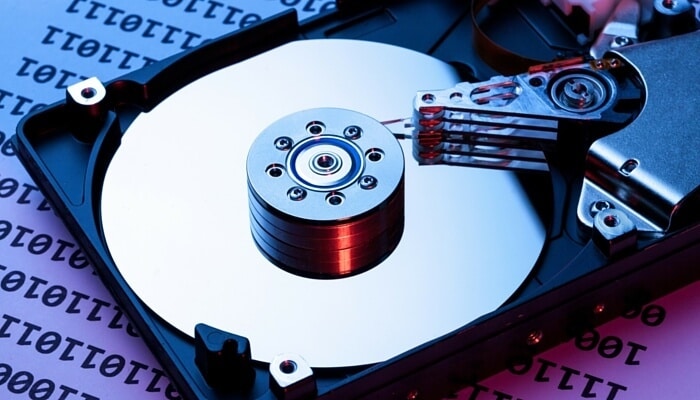
One mistake that some users and system administrators make is backing up data onto a different partition of the same hard drive. While this may provide some level of protection if the original drive fails, it will not help in the event of software issues, viruses, or operating system crashes. Similarly, backing up to another physical drive within the same system may offer some protection against hardware failure, but it does not provide protection against system-level failures.
The Right Backup Frequency
Choosing the right backup frequency depends on the amount of data that changes and the level of reliability you require. For highly dynamic data, you should back up more frequently. For example, you might back up daily and keep backups for a cycle of 3 to 7 days. Additionally, it’s a good idea to create weekly and monthly backups that are stored separately for added redundancy. While this approach can require a significant investment in storage media, such as magnetic tapes, the cost is a small price to pay compared to the loss of valuable data.
Enhancing Backup Reliability
For critical data, consider enhancing your backup system by using two tape drives simultaneously. This method ensures that even if one tape fails to read, the other can still be used to restore the data. For example, if you are managing highly important data or running a large network, simultaneous backups will provide an additional layer of safety, ensuring data integrity in case of hardware failure.
Choosing the Right Backup Tools
While some basic backup tools, such as Windows NT Backup, can be adequate for simple backup needs, more complex systems would benefit from a dedicated, professional backup software solution. Systems like ArcServe allow you to back up data from multiple servers and workstations across a network, providing flexibility in terms of scheduling backups and restoring data from a centralized location.
It is important to check that your backups are actually completed without errors. To do this, regularly review the logs of the backup software. If you’re working with a large network or critical data, you should aim to perform daily log reviews, especially in the morning, to ensure that your backups are error-free.
Test Your Backups
The best way to be sure that your backup is viable is to regularly test restoring the data. Always perform the restoration process to a different disk or server to ensure that the backup can be successfully restored when needed. This testing should be done frequently to catch any potential issues early.
Common Backup Failures
Despite the availability of tools and techniques for effective data protection, many system administrators still encounter data loss due to improper or nonexistent backups. This often happens because the backup was either never performed or was done incorrectly.
There have been numerous instances where businesses attempted to save a few thousand dollars by avoiding the purchase of a high-quality tape drive and backup software, only to lose far more when data had to be restored. The moral of these stories is clear: as the saying goes, “The miser pays twice.” After the data loss incident, many of these same businesses later invested in proper backup solutions—proving that cutting corners on data protection can ultimately be more costly than doing it right from the start.
Alternative Backup Solutions
If high-end tape drives are beyond your budget, there are other alternatives that can provide reasonable protection. Archiving data on devices such as ZIP disks, magneto-optical disks, CD-Rs, CD-RWs, and even floppy disks can be a cost-effective solution. While these options may not offer the same capacity or speed as modern tape drives, they can still serve as a reliable backup method for small businesses or personal data.
Conclusion
The importance of backing up your data cannot be overstated. Whether you are an individual or managing a network of systems, regular backups using reliable and secure methods are the only way to safeguard your data from unexpected losses. By following the best practices outlined above—such as using removable media, testing your backups, and investing in proper backup tools—you can minimize the risk of data loss and ensure that your valuable information is always protected.
Key Takeaways:
- Regular backups are essential to protect your data from hardware and software failures.
- Store backups on removable media to prevent data corruption from system issues or viruses.
- Choose the right frequency for backups based on how often your data changes.
- Test your backups to ensure they are viable and error-free.
- Don’t skimp on backup solutions—investing in quality software and hardware is more cost-effective in the long run.


Happy
0 %

Sad
0 %

Excited
0 %

Sleepy
0 %

Angry
0 %

Surprise
0 %
 0
0
 0
0