Programs To Data Recovery Files From Corrupted External Hard Drive
Read Time:5 Minute, 58 Second
External hard drives are commonly used for data storage and backups. However, like any digital storage medium, they can suffer from corruption, rendering the files inaccessible. If you’re dealing with a corrupted external hard drive, it’s essential to act quickly and use the right programs to recover your data. In this article, we’ll explore some effective methods and tools to help you recover files from a corrupted external hard drive.
Understanding the Problem: What Causes External Hard Drive Corruption?
External hard drive corruption can occur due to several reasons, each of which can lead to data inaccessibility. Some of the most common causes include:
1. File System Errors
These errors occur when the structure that organizes the files on the drive becomes damaged. It often results in the drive being displayed as “RAW,” meaning the operating system can no longer recognize the file system. This can happen due to software malfunctions, improper shutdowns, or power outages while files are being written.
2. Bad Sectors
Bad sectors on the drive are physical areas of the storage medium that are damaged and cannot be written to or read from. As external hard drives age, these sectors may accumulate, leading to corruption and data loss.
3. Physical Damage
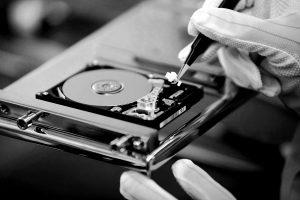
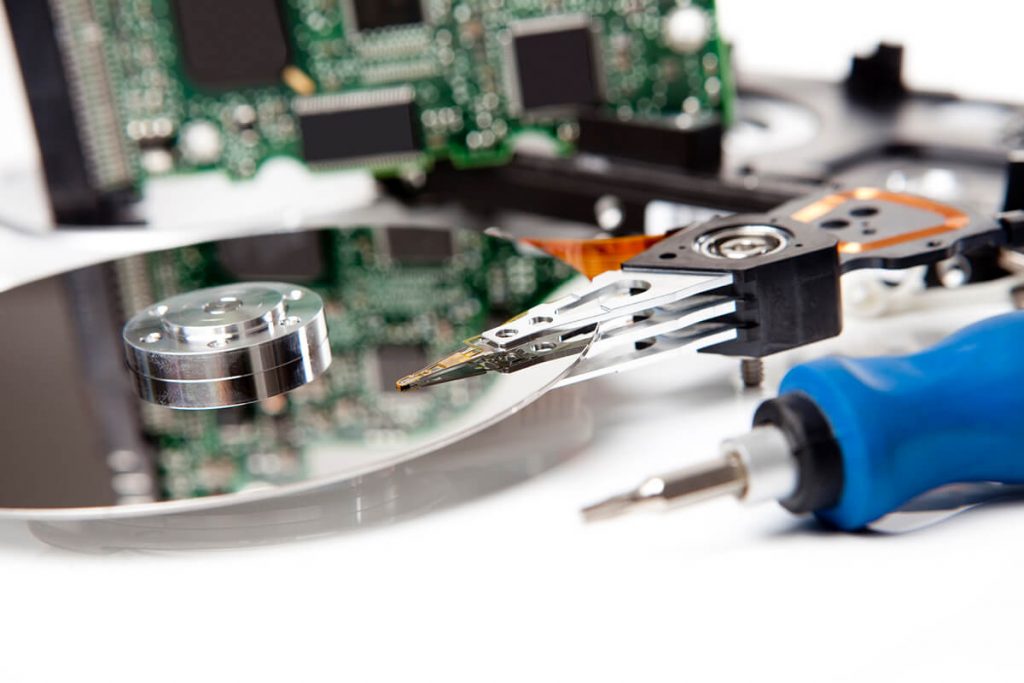
External hard drives are portable, meaning they are more susceptible to physical damage from drops, heat, or water exposure. When the drive’s internal components are damaged, the data may become difficult or impossible to access without professional recovery.
4. Malware or Virus Attacks
Malware or viruses can corrupt the files on your external hard drive, making them unreadable or causing the operating system to fail in recognizing the drive properly. It’s essential to scan for malware as part of your recovery efforts.
5. Faulty Cables or Ports
Sometimes, the issue isn’t with the hard drive itself, but with the cables or USB ports. A faulty cable or port can prevent the drive from being detected correctly by your computer. Always check the connection before assuming the drive is damaged.
Steps to Take Before Using Recovery Software
If your external hard drive is corrupted, it’s essential to take the right steps to maximize your chances of recovery:
1. Stop Using the Drive
Once you realize the external hard drive is not working properly, stop using it immediately. Continued usage can cause further damage or overwrite data, reducing the chances of successful recovery.
2. Check the Cables and Ports
Before jumping into software solutions, make sure the issue isn’t as simple as a faulty cable or USB port. Try using a different cable or plugging the drive into another computer to rule out connection issues.
3. Try Booting from a Live Linux System or Windows Installation DVD
If the drive isn’t recognized in your operating system, you can try booting from a Windows installation DVD or a live Linux system. This will bypass the operating system and may allow you to access and transfer the important files from the corrupted drive.
4. Consider Professional Recovery Services
If the drive has sustained physical damage or if you’re unable to access the data using software methods, it may be time to seek professional data recovery services. These specialists have the equipment and expertise to recover data from physically damaged or severely corrupted drives.
Top Programs to Recover Files from a Corrupted External Hard Drive
If the corruption is not severe, several data recovery programs can help you recover files from a corrupted external hard drive. Below are some of the best programs for the job:
1. Recuva (Windows)
Recuva is a popular and user-friendly data recovery tool that can help you recover deleted or lost files from external hard drives. It’s free for basic use, and its deep scan feature can recover files even from damaged or formatted drives. While it doesn’t work for physically damaged drives, it’s a great option for recovering data from logical failures or file system corruption.
2. PhotoRec (Windows, Mac, Linux)
PhotoRec is an open-source data recovery tool that works with a wide range of storage devices, including external hard drives. It’s designed to recover lost files from damaged or corrupted drives, regardless of the file system. PhotoRec can recover various file types, including photos, videos, documents, and archives, even if the file system has become corrupted.
3. EaseUS Data Recovery Wizard (Windows, Mac)
EaseUS Data Recovery Wizard is a powerful tool that allows you to recover lost files from damaged or corrupted external hard drives. It supports a wide range of file formats and can recover data from different types of storage devices, including external drives, SSDs, and flash drives. The program provides a free trial that allows you to recover up to 2GB of data before purchasing the full version.
4. Stellar Data Recovery (Windows, Mac)
Stellar Data Recovery is a robust data recovery solution for both Windows and Mac users. It can recover files from formatted, corrupted, or RAW external hard drives. Stellar supports a wide variety of file types, including multimedia files, documents, and emails. It also includes a preview feature, so you can see the recoverable files before deciding whether to proceed with the recovery process.
5. Disk Drill (Windows, Mac)
Disk Drill is another powerful data recovery tool that can help you recover files from corrupted external hard drives. It features a user-friendly interface and can recover data from a variety of storage devices. Disk Drill also includes extra features such as disk health monitoring and the ability to create byte-to-byte backups of your drive to prevent future data loss.
Final Steps: Restoring Recovered Data
Once you’ve used data recovery software and successfully retrieved your files, it’s crucial to take a few steps to ensure the safety of your data:
- Save the Recovered Data to a New Drive
Do not save the recovered data to the same corrupted external hard drive. This could cause further damage or overwrite some of the files. Use a different drive or storage medium to ensure the recovered files are safe. - Create Regular Backups
To prevent future data loss, it’s essential to establish a regular backup routine. Use cloud storage, external hard drives, or automated backup solutions to keep your data secure. Regular backups can provide peace of mind in case of future issues with your storage devices. - Consider Professional Data Recovery Services
If you’ve used the software solutions and still can’t recover all your files, or if the drive has suffered physical damage, it might be time to consider professional data recovery services. These specialists have the tools and expertise to handle even the most severe data loss scenarios.
Conclusion
Recovering files from a corrupted external hard drive is possible, but it requires the right approach and tools. Whether you use free software like Recuva or more advanced options like Stellar Data Recovery or Disk Drill, it’s important to act quickly and carefully to prevent further damage to your drive. Always remember to back up your data regularly to avoid situations where data recovery is necessary. If the drive is physically damaged, seeking professional data recovery services is your best option.


Happy
0 %

Sad
0 %

Excited
0 %

Sleepy
0 %

Angry
0 %

Surprise
0 %
 0
0
 0
0