Data Recovery From Damaged Or Non-Working Memory Card
Read Time:4 Minute, 29 Second
Losing important data due to a malfunctioning memory card can be a distressing experience. Memory cards, such as SD cards, are commonly used to store photos, videos, and other critical data across various devices like smartphones, digital cameras, e-books, and GPS navigators. When these cards malfunction, it can feel like all hope is lost, especially if the card contains irreplaceable photos or files. However, data recovery from damaged or non-working memory cards is possible, and in many cases, can be resolved with the right steps.
Why Memory Cards Fail
Memory cards are designed for frequent use, but like any electronic device, they can fail. Here are some common causes of memory card failure:
1. Corruption
File corruption is one of the most common reasons a memory card may stop working. This can happen when a device is turned off abruptly during a write process or if files are improperly removed from the card.
2. Physical Damage
Physical damage to the card, such as bending, cracking, or exposure to extreme temperatures, can make it unreadable by your device. Even water exposure can cause permanent damage to the card’s components.
3. Faulty Card Reader or Slot
Sometimes the issue may not be with the memory card itself but with the device you are trying to read it from. A damaged or incompatible card reader or memory slot can prevent the card from being detected.
4. Power Surges
Power surges or outages can interrupt the writing process on a memory card, leading to file corruption. This is especially problematic for cards that are being used in devices with unstable power sources.
5. Improper Ejection or Removal
Ejecting the memory card without properly unmounting it from the device can lead to corruption or file loss. It’s essential to always safely eject memory cards from devices to avoid this issue.
6. Wear and Tear
Flash memory has a limited number of write and erase cycles. Over time, the card may start to degrade, resulting in failure to access data.
How To Recover Data From A Damaged Memory Card
Now that you understand some of the potential causes for memory card failure, let’s explore how to recover data from a damaged or non-working memory card.
Step 1: Check for Hardware Issues
Before attempting recovery, make sure that the memory card itself is not physically damaged. Inspect the card for visible cracks or burn marks. Try using the card in a different device or card reader. If the card is still not detected, it may be an issue with the device or reader.
Step 2: Use a Different USB Port or Reader
If the card is not being detected, try inserting it into another USB port or use a different card reader. This can help rule out potential issues with the reader or port you’re using.
Step 3: Attempt Data Recovery Software
If the hardware is functioning properly but the card is still inaccessible, data recovery software may help. Several tools are designed to recover lost or corrupted files from memory cards, even if the card is not recognized by your device. Popular options include:
- Recuva – A free and user-friendly data recovery tool that works for SD cards and other storage devices.
- PhotoRec – A powerful, open-source recovery tool that supports a wide range of file formats.
- Disk Drill – A comprehensive tool that provides advanced recovery options for SD cards and other storage devices.
Follow the software’s instructions to scan the memory card for recoverable files. If you’re successful, you can recover photos, videos, and other files.
Step 4: Perform Low-Level Formatting
If the card is showing as unformatted or corrupted, you may need to perform a low-level format. This process can sometimes fix logical issues with the card, but be aware that this will erase the existing data. It’s a last-resort method if no other recovery options work.
Step 5: Seek Professional Data Recovery Services
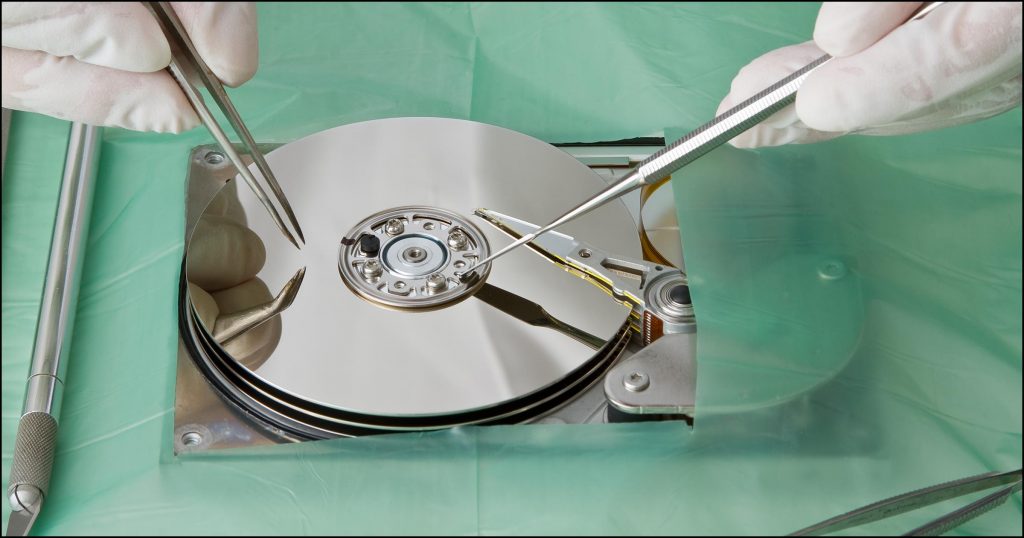
If the above steps do not resolve the issue, or if the memory card is physically damaged, professional data recovery services might be necessary. These specialists have the equipment and expertise to recover data from physically damaged or unreadable cards. This service can be expensive, but it is often the only solution for severely damaged memory cards.
Best Practices for Preventing Data Loss
While data recovery is possible, prevention is always better than the cure. Here are some tips to avoid data loss in the future:
- Always safely eject the memory card from the device before removal.
- Keep multiple backups of your important data on external hard drives, cloud storage, or other devices.
- Avoid using the card until recovery if you suspect damage. This helps preserve the data and increase the chances of successful recovery.
- Use reliable memory cards from reputable manufacturers to reduce the risk of premature failure.
Conclusion
Memory card failure can be frustrating, especially when important data is lost. However, with the right steps, data recovery is often possible. From software solutions to professional services, there are various options available to recover your lost photos, videos, and other files. Always practice good data management habits to protect your important files and ensure you have backups in place for the future.
If you’re unable to recover your data on your own, don’t hesitate to seek professional assistance for the best chances of data retrieval.


Happy
0 %

Sad
0 %

Excited
0 %

Sleepy
0 %

Angry
0 %

Surprise
0 %
 0
0
 0
0