What Is Data Recovery?
Read Time:58 Second
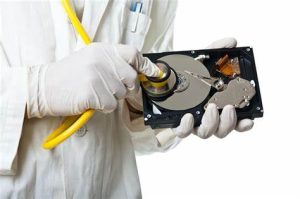
Data Recovery software can recover lost data with maximum efficiency. Generally, the Data Recovery process is based on a scan of the storage, which is used to find specific information (deleted files, lost file systems) and to assemble the structures of the damaged file system.
Despite the ever-increasing reliability of storage devices, Data Recovery loss. The main causes are human errors, software malfunctions (such as viruses), power cuts as well as hardware failures.
Any information stored on digital media is fortunately almost always recoverable. However, this does not apply to cases where the information was never actually written to a storage medium, for example, a created but unsaved document that was lost due to a power failure can in no way case be recovered.
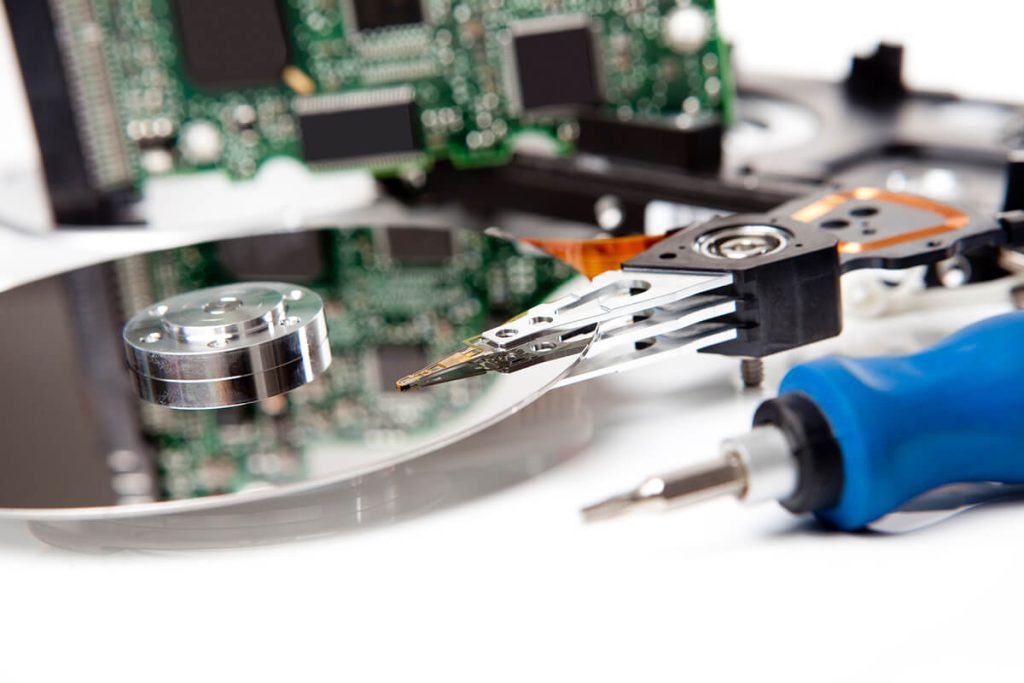
In IT, data recovery is a process of recovering (extracting) inaccessible, lost, corrupted, damaged or formatted Wikipedia data from secondary storage, removable media or files, when the data stored therein is not normally accessible.
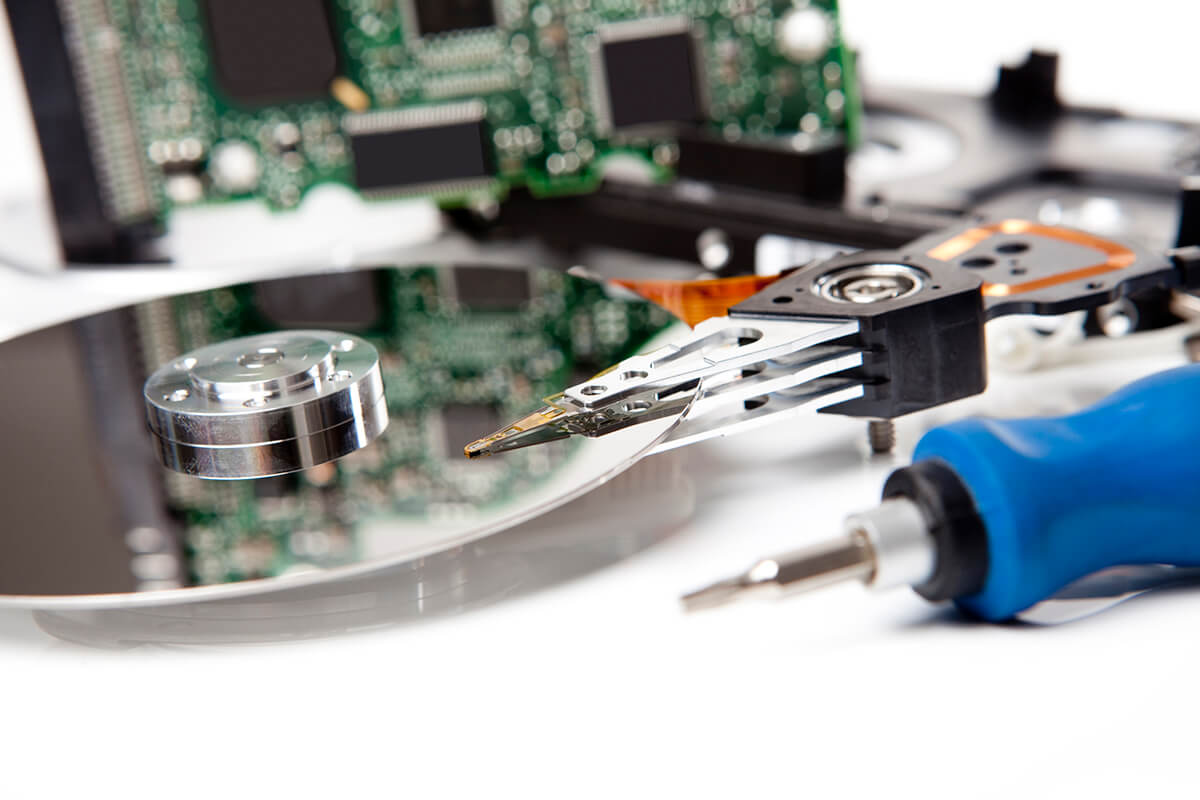
Data is most commonly recovered from storage media such as internal or external hard drives, solid state hard drives, USB flash drives, magnetic tapes, CDs, DVDs, RAID subsystems and other electronic devices.


Happy
0 %

Sad
0 %

Excited
0 %

Sleepy
0 %

Angry
0 %

Surprise
0 %
 0
0
 0
0